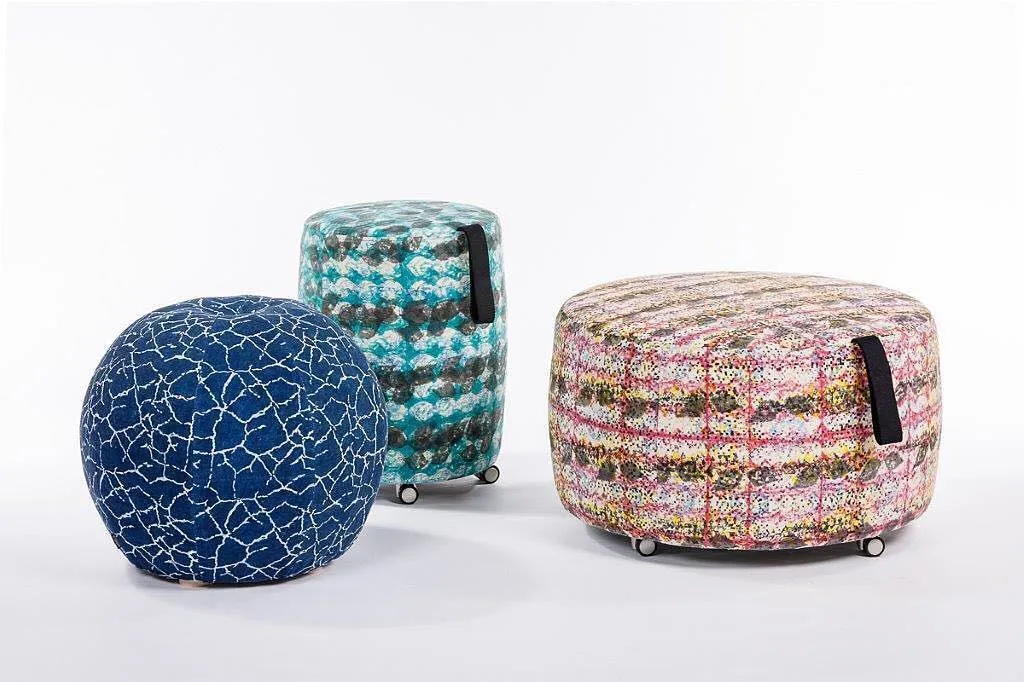
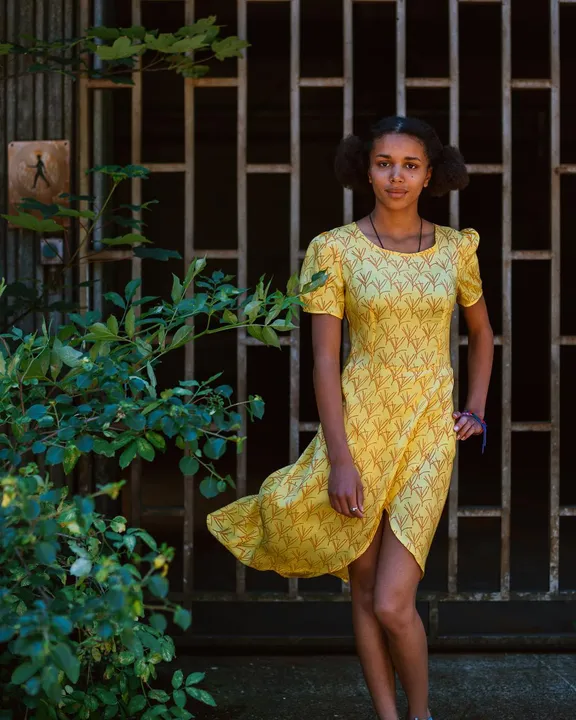
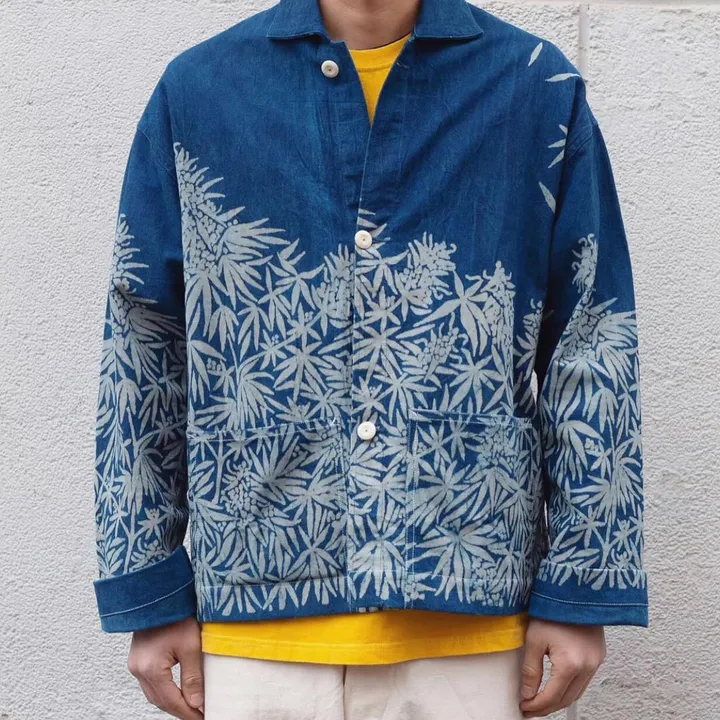
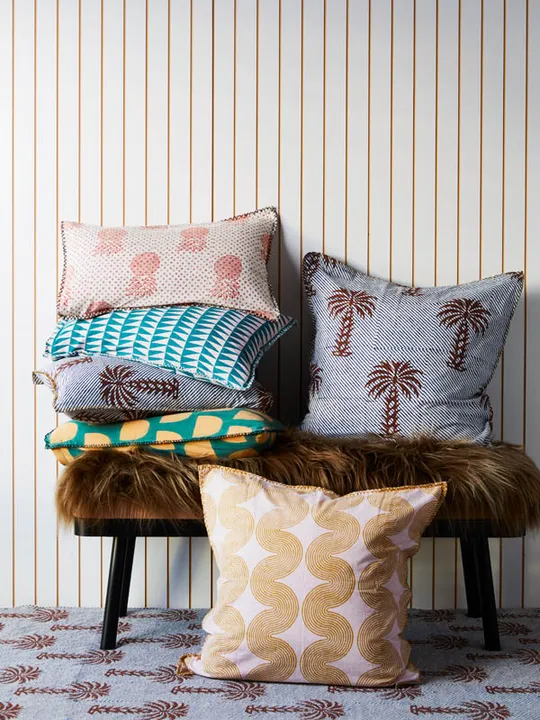
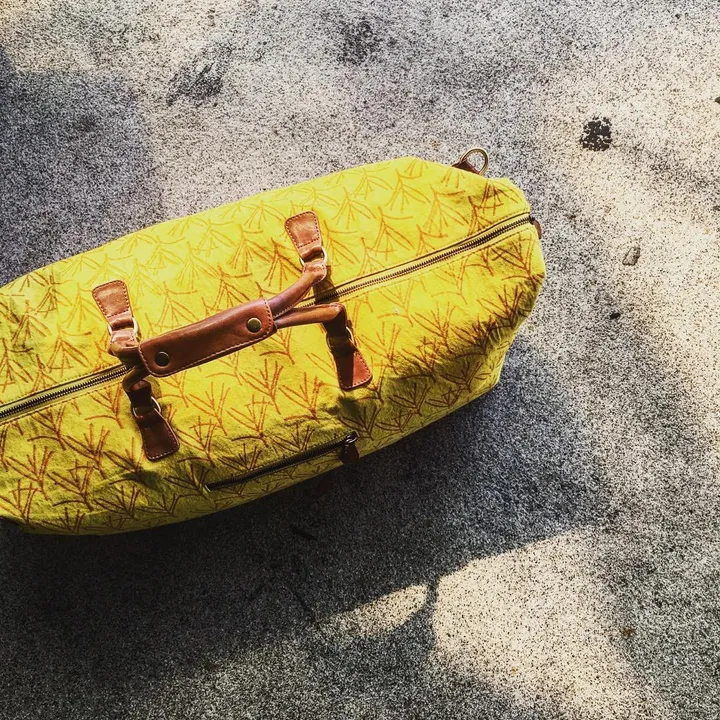
Every order in production will be finished and shipped as agreed. Every workshop already booked will run on the date you were given. We are not taking new orders or new bookings.
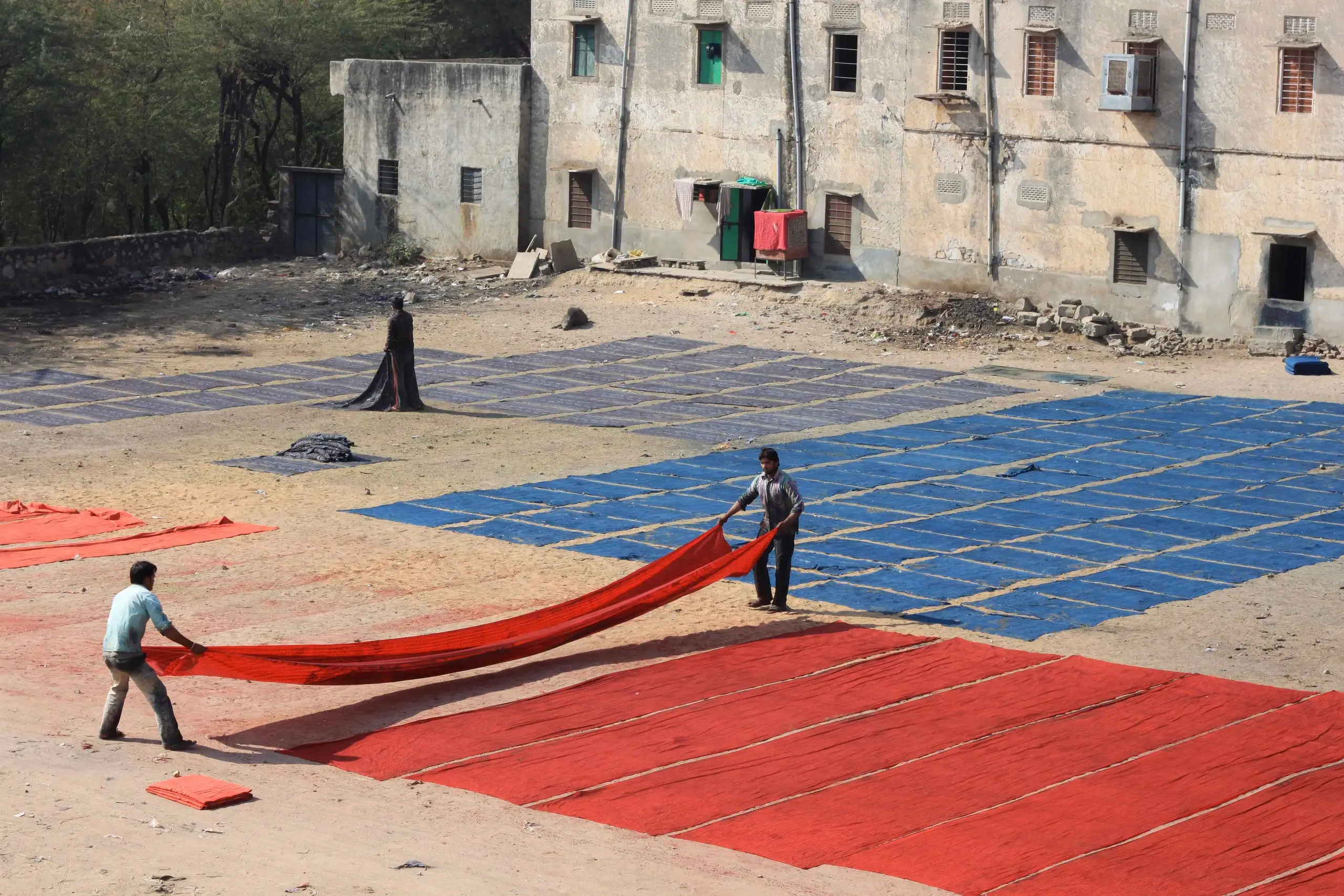
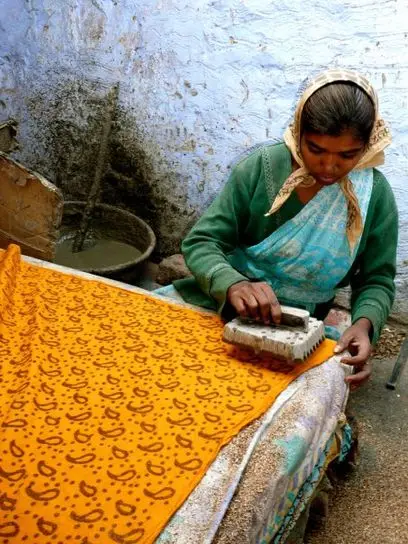
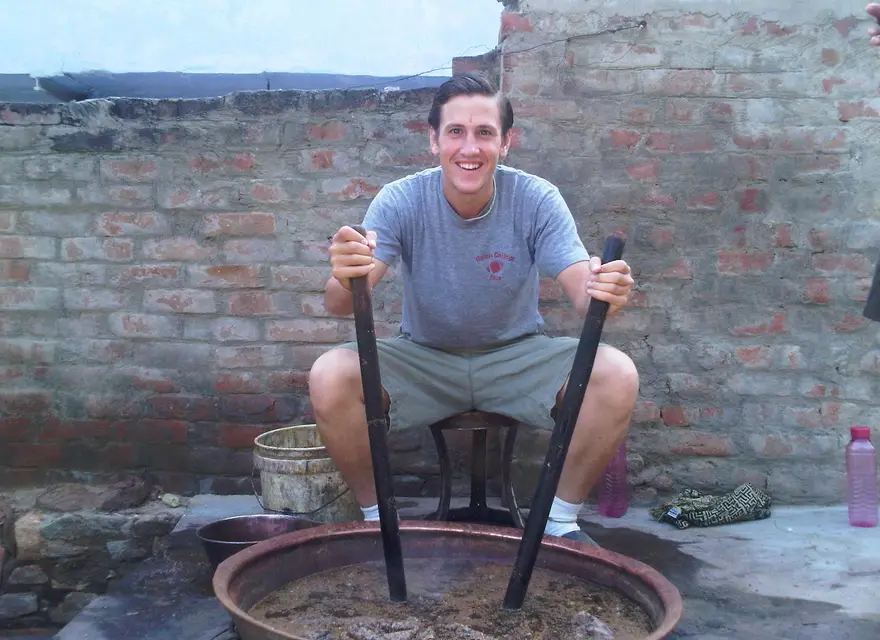
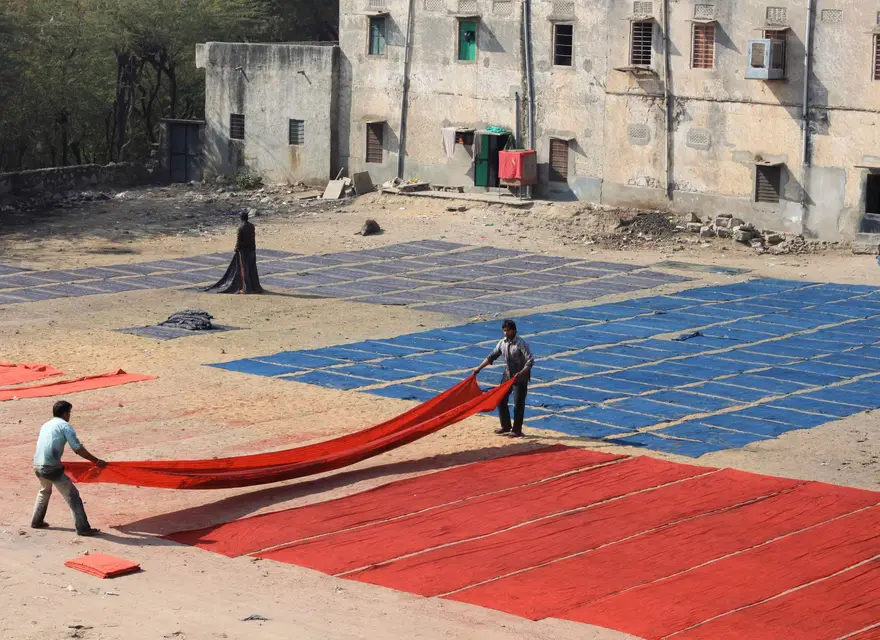
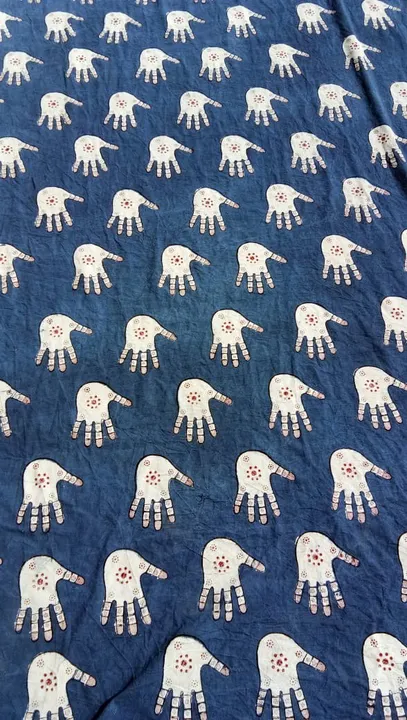
I came to Bagru in 2009 as a student on a term abroad, and came back the next year on a Minerva Fellowship from Union College: ten thousand dollars and a one-way ticket. The printers here had a four-hundred-year-old craft and no way to reach the people who wanted it. Cloth came from a trader, went to a family to print, and went back out at seven rupees a metre, through eight sets of hands, to a customer who never learned who made it.
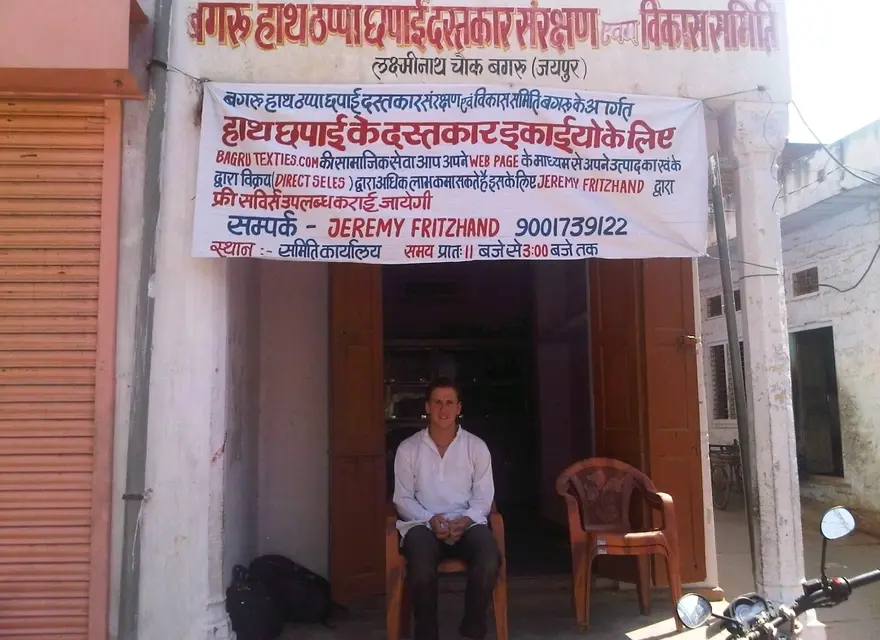
So in 2010 we started Bagru Textiles and put the name of the village on the door. Know your source. The artisans own it themselves, and it is thriving.
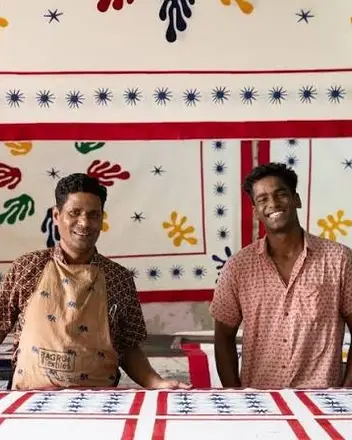
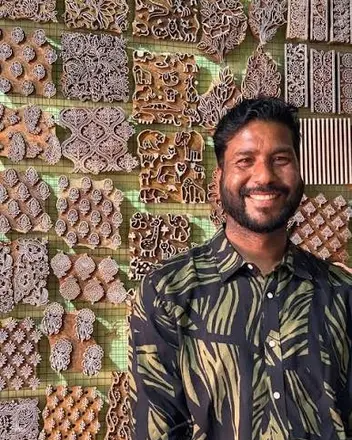
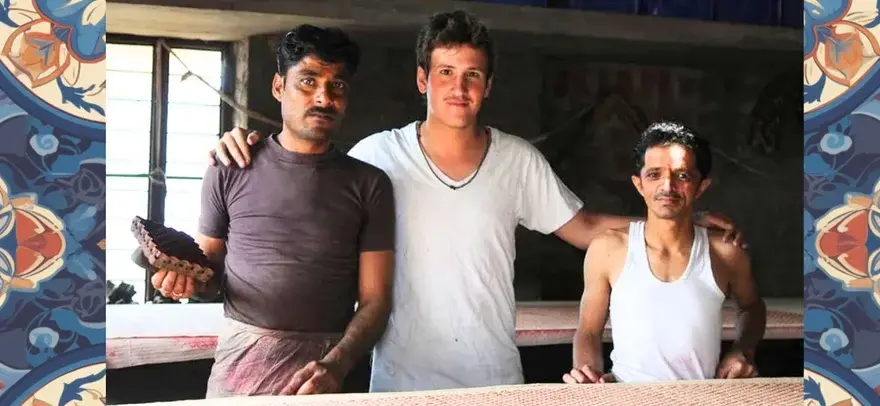
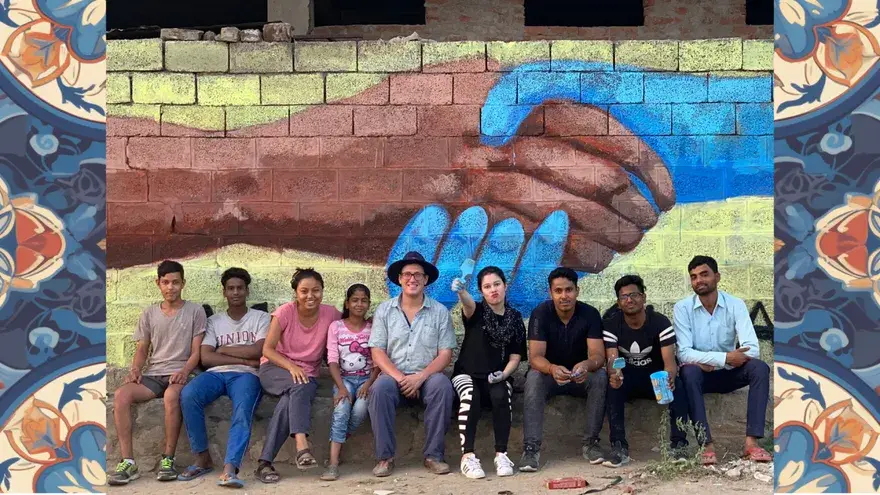
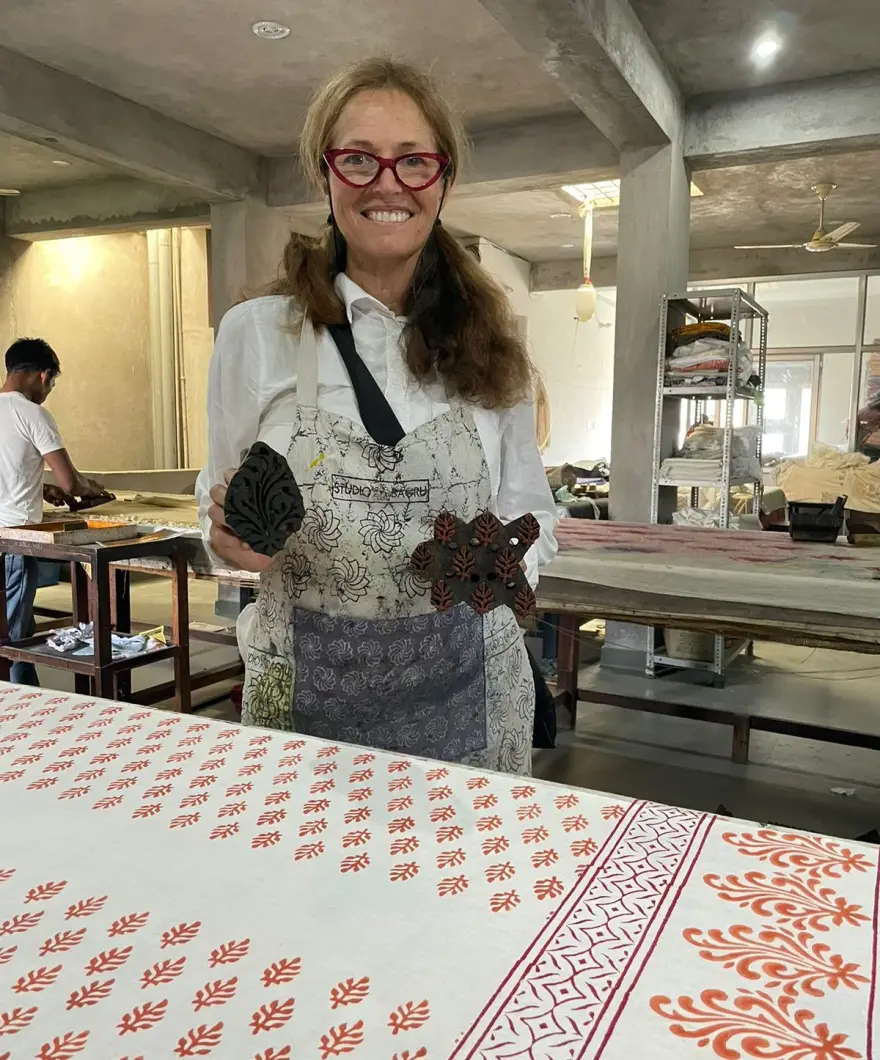
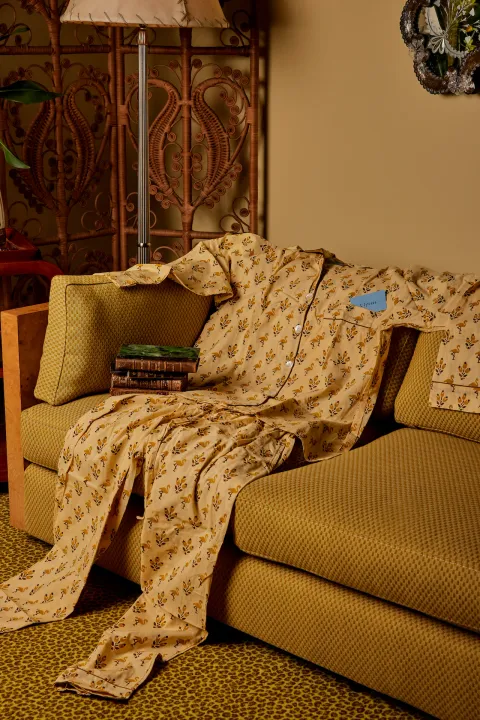
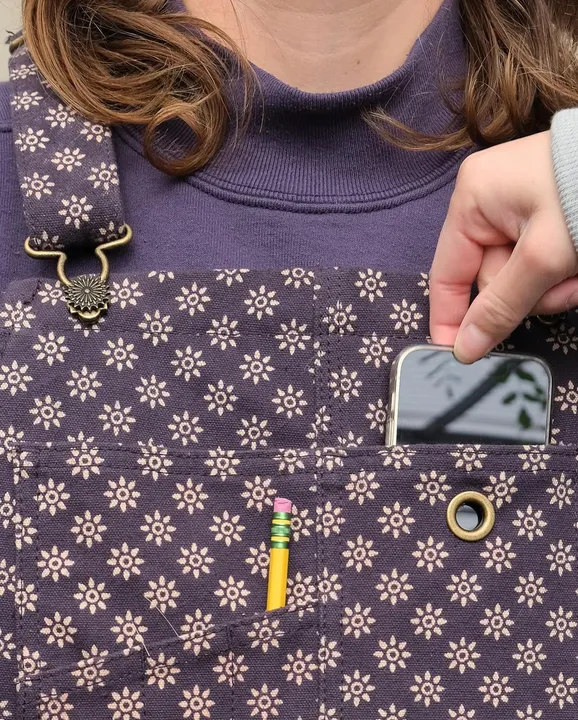
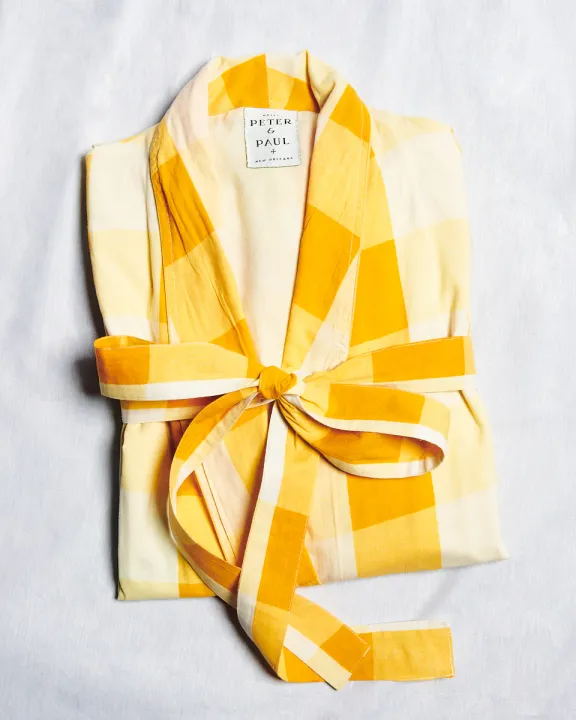
In 2016 Davis Cutter, Curt Myers and I started Studio Bagru to do the same for more families. We printed for designers and hotels in more than fifty countries, brought journalists to the village instead of buying advertisements, and welcomed visitors to the printing tables. The intention never changed: home-based artisans as independent business owners, named, findable, paid directly, and free to say no.
Sixteen years on, much of that is true. The families we worked with take their own orders, host their own guests, and answer their own customers. We used to stand in the middle, and we are not needed there now.
This site is becoming an index of artisan businesses, beginning with the block printers of Bagru, so you can find the workshop and the person behind the cloth. It opens as each workshop confirms what it wants published. It is also a guide to how printing here works: how to brief a workshop, what a fair timeline and a fair price look like, and what to expect from cloth made by hand.
There is a line from Lao Tzu: “When the work is done, the people will say: we have done this ourselves.” I think we are close.
Thank you for every order, every visit, and every introduction. The printing tables are still here. Go and see.